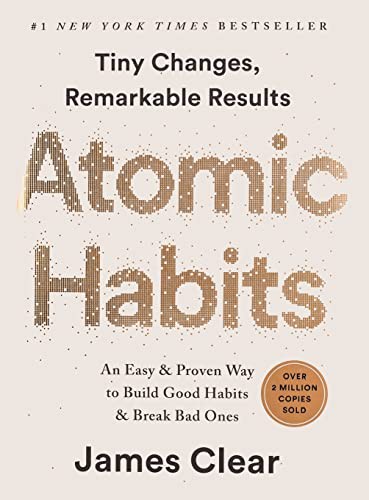
Atomic Habits
Build the system and the results follow, as long as you don't build more system than the problem needs.
Most of it felt intuitive, but it was validating to see it written down. The idea I keep coming back to is that you fall to the level of your systems, and that a habit sticks once it becomes part of who you are. Every repetition is a vote for that identity, which makes the small daily version of a habit matter more than any single big effort.
The four laws work as a checklist: make it obvious, attractive, easy and satisfying, and invert each one to break a habit. Clear's use of the Ulysses pact fits alongside them. Decide while you're thinking clearly and lock the decision in, so your future self doesn't have to rely on willpower in the moment.
I try to apply the same thinking to my projects and dev work, turning one-off tasks into repeatable systems. The risk is overengineering, since a system only earns its keep if you'll actually run it again. It fits especially well with AI, where you can do a task once by hand and then fold it back into a system afterwards.
On Goodreads